


Blogs
Beyond the Factory Floor:
The Role of Smart Logistics Automation Technology


Summary: This blog explores how smart logistics automation technology extends beyond traditional factory floors, highlighting Mitsubishi Electric's solutions in networking, data visualization, AI, IoT, edge computing, predictive maintenance, robotics, and simulation tools. It demonstrates how these technologies optimize logistics operations, improve sustainability, and future proof manufacturing facilities.
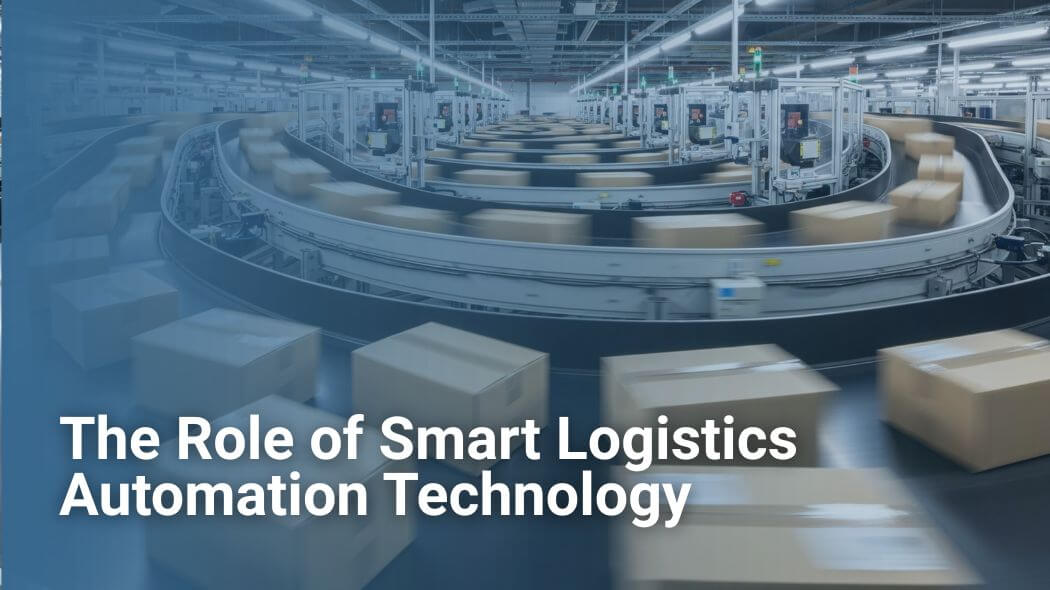
Innovative logistics automation technology is increasingly common in manufacturing facilities. Logistics automation technology refers to the use of automation hardware (PLC, HMI, VFD, Servo, etc.), and software to automate tasks across the supply chain to increase efficiency. When we think about "beyond the factory floor" in relation to innovative logistics automation technology, we mean the automation that extends beyond the physical elements we usually think of. This includes machines, robots, and conveyors.
At Mitsubishi Electric, we are a top contender in cutting-edge innovative logistics technologies, and we offer multiple solutions you can implement on your factory floor and beyond.
Evolution of Automation in Logistics
As we've seen, AI and automation have been integrated across many aspects of our lives, and they've also evolved in logistics. When most people think about automation in factories, they often picture it on the factory floor, integrated into the applications that are physically present. However, logistics automation is evolving beyond the factory floor and now encompasses software, IoT, and analytics. To get the most out of automation in logistics, it's essential to integrate systems that connect the factory floor with logistics operations beyond it. This evolution will set the stage for what automation in logistics will look like and how it will continue to evolve.
Mitsubishi Electric's Role in Smart Logistics Automation Technology
At Mitsubishi Electric, we offer a range of solutions for factories and logistics facilities, including smart logistics automation technologies.
Here's a look at some of the technology sectors and specific technologies we offer solutions for at Mitsubishi Electric, and what they do in the logistics work lineup.
High Speed Networking
Networking is a critical component of logistics, as the entire process relies on strong networking to enable communication between devices and software. To maximize logistics efficiency, there must be rapid communication among machines, sensors, and operators, which is where networking comes in. Our CC-Link IE TSN solution is an industrial Ethernet network technology that combines time-sensitive networking and high-speed gigabit communication to deliver real-time performance on a single network.
Data Collection and Visualization
Data collection and visualization are both critical for making the right decisions in your facility. Using data visualization helps you see what is working, what needs improvement, and what should change in your logistics operations to maximize efficiency. Analytics and predictive maintenance are increasingly integrated across facilities, driven by the operational efficiency gains they deliver. With analytics and predictive maintenance, you can visualize what needs to be addressed without relying on your typical workforce.
Our PLC and HMI solutions are used to control machinery and automation processes by
- continuously monitoring inputs
- executing processes
- and controlling conveyors, motors, or robots.
They are the backbone of modern automated systems worldwide and an essential component of innovative logistics automation technology.
Actionable Insights
Actionable insights allow operators to see beyond the factory floor through predictive maintenance and visual dashboards, enabled through our compact AI solutions built directly into our devices. Decision-making for operators is much easier and more efficient when actionable insights, visual dashboards, and predictive maintenance support the process. Our GENESIS SCADA software uses real-time visualization, analytics, connectivity, and insights to "make the invisible, visible." It's designed to connect the factory floor to enterprise and business systems, providing real-time insights and analytics.
Artificial Intelligence, IoT, and Edge Computing
Our e-F@ctory solutions combine AI, IoT, and edge computing to enable smart logistics, real-time monitoring, and predictive maintenance. These are key considerations for factories when implementing innovative logistics automation technology and ensuring you get the most out of it. We offer fully secure, future-proof solutions through our e-F@ctory network of solutions to minimize cybersecurity risks.
The Key to Successful Logistics Automations
Integrating new technologies for logistics automation can spur uncertainty. When you are unsure of the outcome or ROI, investing might be a major hurdle. Simulating logistics automation interactions can help you see precisely how things will go and work once the automation is in place. At Mitsubishi Electric, our 3D simulation software, Gemini, allows operators to visualize how automation operates in the real-world factory setup. Simulation is essential for successful logistics automation and for understanding how the factory floor may change in logistics.
How to Stay Sustainable and Efficient in Logistics Automation
Some specific logistics automation technology components include Variable Frequency Drives (VFDs) and robots/cobots. Intelligent automation often will reduce energy consumption, your carbon footprint, and operational costs as a whole, which will positively impact your energy efficiency as a factory.
VFDs can help improve energy efficiency by using only the energy needed to complete a task. Other motor control options typically offer basic start/stop functionality and don't allow for variable speed.
On the other hand, robots and cobots in logistics automation are well-suited for packing and palletizing. They offer assistance for repetitive tasks in a logistics automation process. The use of robots and cobots eliminates human error, increases efficiency, and optimizes your warehouse operations without adding more staffing to the line.
Integrating Smart Logistics Automation Technology
At Mitsubishi Electric, we offer a range of solutions to support the integration of smart logistics automation technology in your facility. We have a full lineup of solutions to help you throughout the journey and ensure you are prepared for the integration, with all the necessary software to enable an efficient transition. Logistics automation technology will remain a focus in facilities, and our solutions are future-ready for its continued evolution.
If you are looking to implement innovative logistics technology that extends beyond the factory floor, explore our Mitsubishi Electric website to discover factory solutions that help you integrate it into your facility.


-
Inquiries
-
Select
& Quote -
Share
-
Partners