


Blogs
Florida's Hurricanes Highlight the Need for Reliable Pump Control


Summary: Hurricanes are a reality for Floridians, but the devastation caused by storms like Hurricane Ian in 2022 exposed significant vulnerabilities in essential infrastructure, particularly in water and wastewater systems. As the impacts of climate change intensify, ensuring the reliability and resilience of pumps and other critical systems becomes not just a technical challenge but a matter of public safety and community well-being. This blog explores firsthand experiences of living through Florida's most destructive storms and makes the case for adopting smarter, more innovative solutions to safeguard our communities.
The Impact of the 2022 Florida Hurricanes
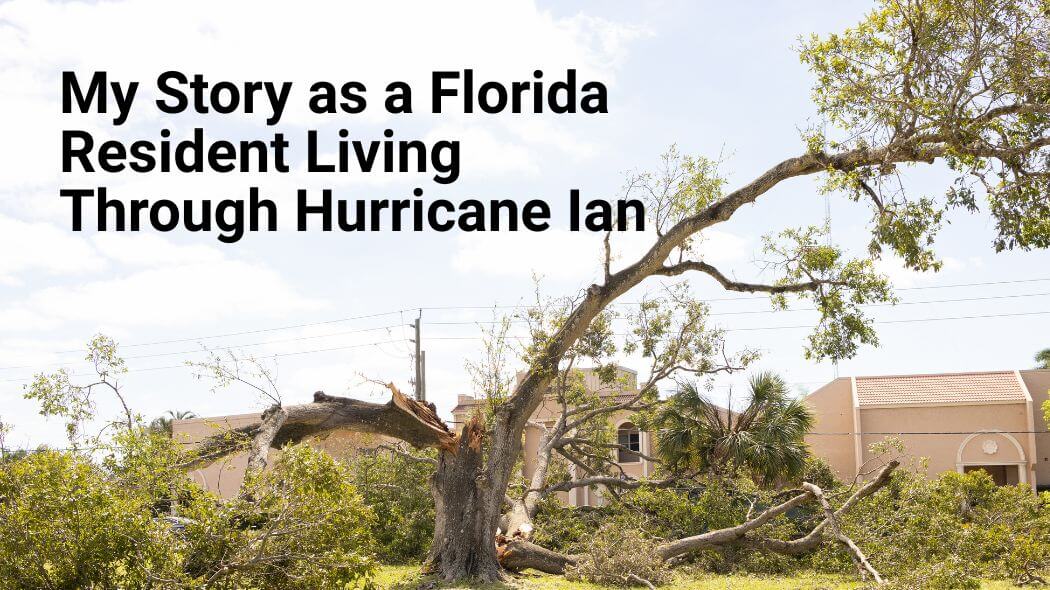
Hurricanes are part of life in Florida, but nothing truly prepares you for the moment one hits. In 2022, Hurricane Ian made landfall on our coast, changing everything. As the wind howled and rain battered our home, we held on, hoping our precautions would be enough.
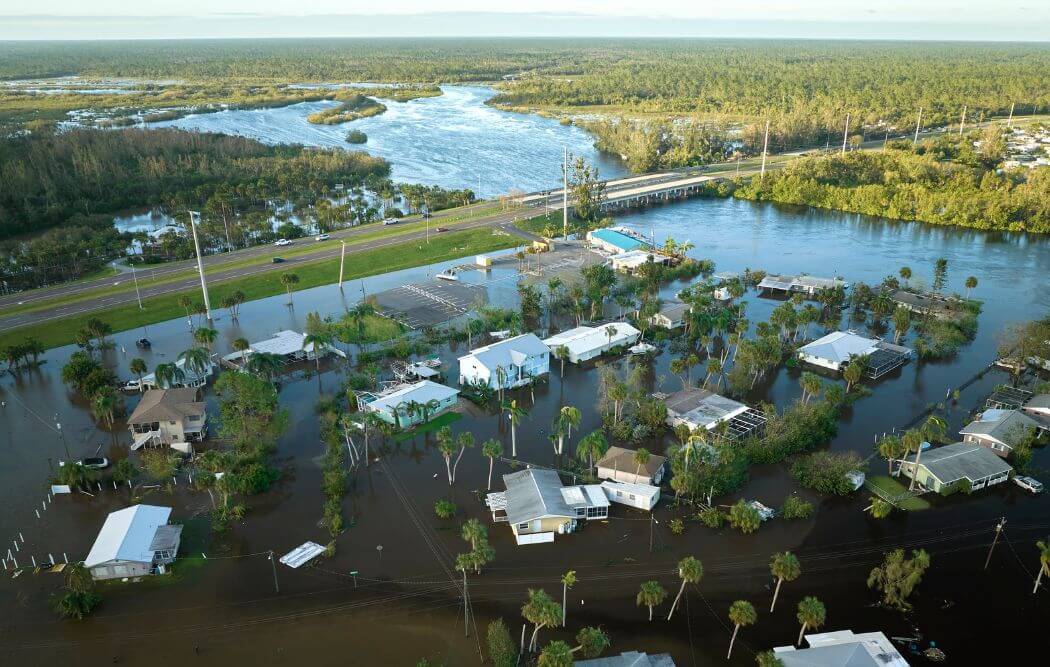
When the storm passed, the devastation was overwhelming. Flooded streets, broken trees, homes soaked inside and out, and, arguably, the most devastating thing was when our essential systems failed. Pumps clogged, drains overflowed, and we had to scramble to keep the basics working. It wasn't just about property; it was about our safety and daily survival.
Living through Ian made me realize how much we depend on reliable infrastructure to weather the worst. This blog is my story, including the challenges my family faced, and why more innovative solutions like Variable Frequency Drives (VFDs) are more than just technology.
A Recap of Florida's 2022 Hurricane Season
The 2022 hurricane season was challenging for my home state of Florida, with several powerful storms impacting the state's communities and infrastructure. Hurricane Ian was notable for both its intensity and the devastation it caused. In summary,
- Hurricane Ian made landfall near Cayo Costa as a Category 4 hurricane.
- Sustained winds reached up to 150 mph.
- Storm surge: 12–18 feet in some coastal areas.
- Areas affected: Fort Myers Beach, Sanibel, Collier County.
- Widespread power outages and severe infrastructure damage.
Essential infrastructure, such as water systems, was pushed to the breaking point. Stormwater inundated drainage networks, while wastewater treatment plants struggled to cope with the immense volume and force of floodwater. In numerous communities, pumps became clogged with storm debris and wipes, requiring immediate action. Emergency crews responded to these hazardous conditions to manually clear blockages and restore basic services.
For those living through Hurricane Ian, like me, the ordeal was overwhelming. The consequences of pump failures extended beyond mere inconvenience, presenting serious public health risks and compounding the overall stress and disruption for residents. With more reliable, innovative technologies, such failures could be mitigated. When lives are on the line, investments in upgrading infrastructure prove to be invaluable.
One promising solution is upgrading wastewater infrastructure with advanced pump controls. These modern controls can help prevent clogging, optimize pump performance, and ensure reliable operation even during extreme weather events.
For a closer look at upgrading lift station pump controls, view our solutions for lift stations.
My Story as a Florida Resident Living Through Hurricane Ian
Having grown up in Illinois, I had very little experience with hurricanes until I moved to Florida a few years ago. Back in Illinois, storms meant rain, maybe a bit of wind, and the very rare occasion of tornadoes, but nothing that majorly threatened your home or your safety. I honestly had no clue what it meant to brace for a hurricane. The constant anxiety, the frantic preparation, the fear that settles in as the sky darkens and the winds pick up. Moving to Florida was a true culture shock. Over the past several years, I've learned a lot about preparing for and surviving these powerful storms.
In the days leading up to Hurricane Ian, my family and I had to make an important decision. Do we flee or stay? If we flee, where do we go? When should we leave? Highways are filled with families fleeing for safety, so driving time has more than doubled.
For my family, we decided to stay. We spent several days preparing our home for the worst. We installed window shutters, moved outdoor furniture and landscaping into the garage, and brought flowerbeds from the patio inside our house. To prevent water damage from flooding, we raised all items at least a foot off the ground. For extra protection from flooding, we spent countless hours filling sandbags for the perimeter of the house and laying tarps underneath them. We waited in long lines outside hardware stores and grocery stores to purchase essentials, such as batteries, flashlights, extension cords, fans, water, non-perishable food, and medical supplies.
Even with all of the preparation, there was no guarantee that our efforts would make a difference.
When Hurricane Ian arrived, it moved slowly and painfully. The winds didn't drop below 100 mph until nearly six hours had passed. The next morning, the devastation was staggering. My community experienced flooded streets, uprooted trees, patios torn apart, damaged rooftops, and significant water damage inside homes. According to the NOAA, Hurricane Ian ultimately caused more than $112 billion in damage, the costliest hurricane in Florida's history. Tragically, widespread flooding led to over 150 deaths.
Why Pump Reliability Matters During Hurricanes
During the hurricane, we lost both power and running water. At that moment, I truly understood the importance of water as a natural resource.
Pump reliability becomes absolutely critical in these situations. The storm overwhelmed local infrastructure with unprecedented rainfall, storm surges, and widespread power outages. Many pump stations in southwest Florida either lost power or suffered damage, and even their backup systems, like generators, failed.
Pump failures during Hurricane Ian led to:
- Extensive sewage spills
- Severe flooding
- Boil-water advisories
- Fuel shortages (due to power outages)
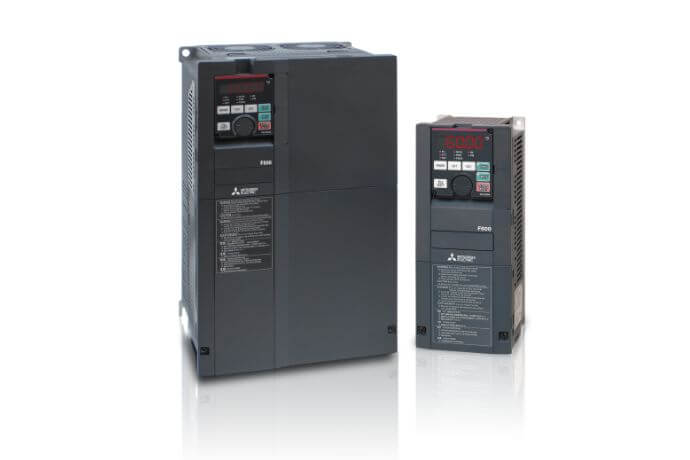
Upgrading to intelligent pump controls can help municipalities prepare for these tragedies. It's difficult to say if VFDs could manage the extraordinary water flow caused by record-breaking rainfall and winds. They do help, though, in maintaining pump operation and reducing the risk of system failures when faced with future storms, through real-time data, automated responses, and improved operational efficiency. Increasing Florida's resilience will require several strategies: elevating control systems, strengthening infrastructure, ensuring power security, and building in system redundancy.
Lessons Learned from the 2022 Hurricanes & Looking Ahead
The devastation caused by Hurricane Ian in 2022 served as a stark reminder of the vulnerability of our infrastructure in extreme weather conditions. Flooded streets, overwhelmed wastewater systems, and clogged pumps weren't just inconveniences; they were public health risks. However, these challenges also revealed an opportunity: the need for more intelligent and resilient systems.
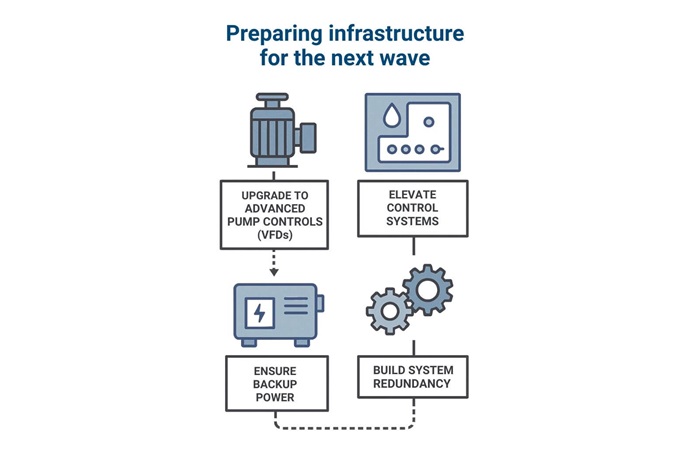
Modernizing wastewater infrastructure with advanced pump controls is a key step toward building smarter, more resilient communities. These systems provide enhanced monitoring, remote control capabilities, and improved energy efficiency, enabling utilities to respond quickly and effectively during emergencies.
Municipalities that are proactive in keeping their wastewater operations modernized help to keep their communities at ease when the unprecedented occurs.
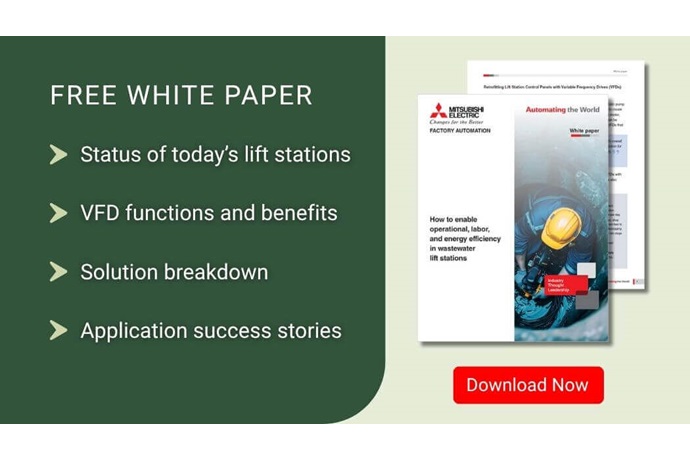
To take a deeper dive into what it means to modernize wastewater operations, download our white paper.
Want notifications for new Blogs, White Papers, Case Studies & Webinars?
Contributors

Wesley Gulik
Industry Marketing Manager (Water-Wastewater)
Mitsubishi Electric Automation, Inc.


-
Inquiries
-
Select
& Quote -
Share
-
Partners