


Blogs
Why Should I Use a PLC Instead of a DDC for Data Center Control?


Summary: Programmable Logic Controllers (PLCs) offer superior reliability, scalability, and cybersecurity compared to Direct Digital Control (DDC) systems for data center management. Unlike DDC, PLCs are designed for industrial-grade performance, enabling better integration with SCADA systems, faster response times, and enhanced redundancy-making them the preferred choice for mission-critical environments.
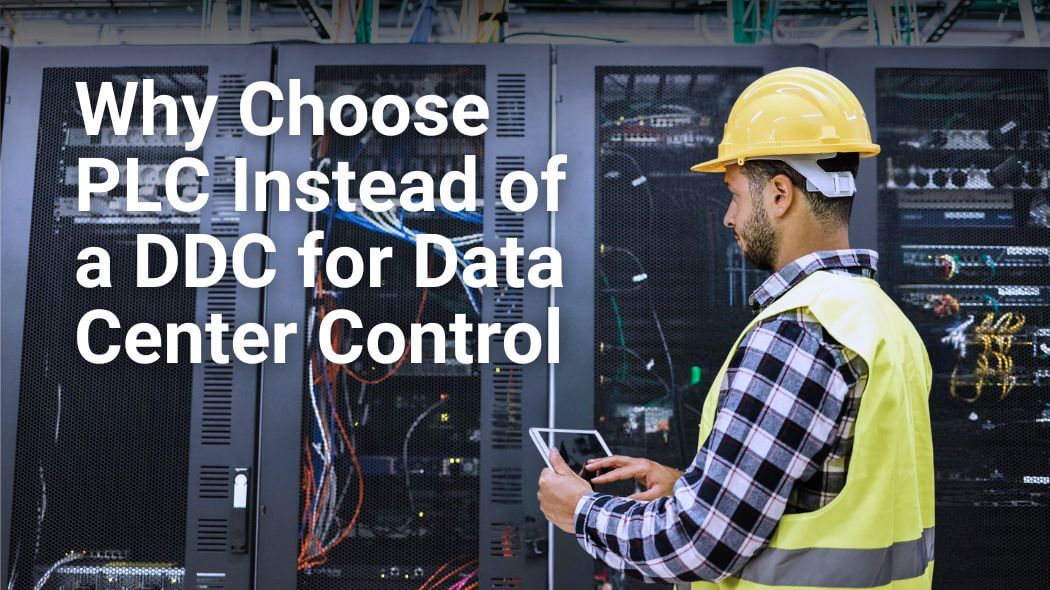
Data centers are the backbone of our digital world, supporting everything from cloud services and e-commerce to artificial intelligence and real-time analytics. With this explosive growth comes an increasing demand for smarter, more efficient operations. At the core of this evolution is the need for intelligent, reliable control systems that can manage complex environments with precision and resilience. Whether optimizing energy use, maintaining thermal stability, or ensuring up time, smart control systems are essential to keeping data centers running smoothly in a world that never stops computing.
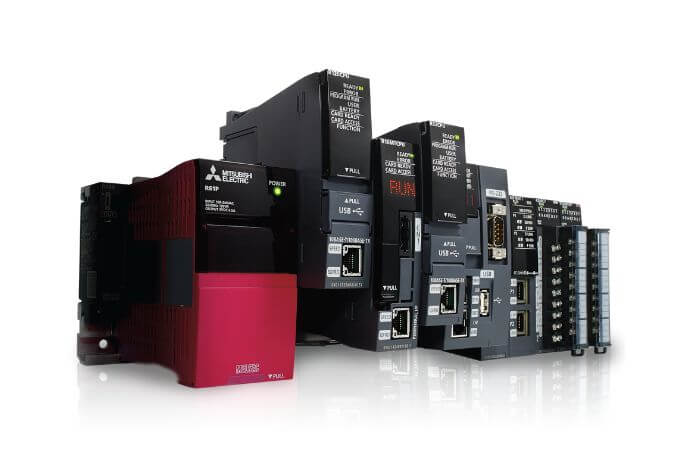
For a long time, Direct Digital Control (DDC) systems have been the standard for managing HVAC and energy systems in data centers. But in my experience, they're starting to fall behind. That's why I recommend a shift toward Programmable Logic Controllers (PLCs). In this article, I will focus on the advanced technologies of PLCs in the context of Mitsubishi Electric's iQ-R Series. It's a solution that's built for the complexity and demands of today's data centers, and those of tomorrow.
What Makes the iQ-R PLC Stand Out for Data Center Control
Mitsubishi Electric's iQ-R Series isn't just another PLC. It's designed for high-performance environments where uptime, speed, and integration matter. Here are a few features that I think make a real difference:
- Fiber Optic Communication: Enables high-speed data transfer with low latency, critical for real-time control. In a data center, even milliseconds matter, especially when you're managing cooling systems or power distribution.
- Redundant CPU Configuration: Keeps operations running even if the primary CPU fails. This built-in redundancy is essential when downtime isn't an option.
- Powered Backplane System: Simplifies power distribution and improves synchronization between modules. This reduces potential failure points and makes the system more efficient overall.
- Advanced Security Features: Includes role-based access control and secure communication protocols to help protect against cyber threats. With cybersecurity becoming a bigger concern every year, this is a must-have.
- Open Protocol Support: Works with Modbus, Ethernet/IP, OPC UA, and BACnet. That means it integrates easily with existing systems and is ready for future technologies, including IoT and cloud platforms.
The Limitations of DDC for Data Center Control
DDC systems have served their purpose, but they weren't built for the scale and complexity of modern data centers. Here are some of the limitations I've seen:
- 1.Limited Processing Power: DDC controllers often can't meet real-time demands. This becomes a problem when optimizing energy use or responding quickly to environmental changes.
- 2.Proprietary Protocols: These make integrating other systems more difficult and expensive. You end up locked into a specific vendor, which limits flexibility.
- 3.Scalability Issues: Expanding a DDC system can be time-consuming and costly. It often requires replacing hardware or dealing with compatibility issues.
- 4.Lower Reliability: Many DDC components are commercial-grade, not industrial-grade. That might be fine for a small office building, but not for a mission-critical data center.
- 5.Customization Constraints: Making changes often requires going through the original vendor or third-party specialists. This slows down innovation and increases costs.
Comparing iQ-R PLC and DDC in Real Applications
Let's look at how these systems stack up in key areas of data center operations:
Environmental Controls (Cooling, Airflow, Humidity)
- DDC: Provides basic control but struggles with dynamic optimization and third-party integration. You might get the job done, but not efficiently.
- iQ-R: This product offers real-time monitoring and adaptive control, supporting open protocols that simplify integration. This allows for more precise environmental management, leading to energy savings and better equipment performance.
Power Distribution and Energy Efficiency
- DDC: Primarily designed for HVAC, with limited capabilities for managing power systems. Redundancy and monitoring often require additional components.
- iQ-R: Built for advanced energy management and redundancy. It helps reduce risk, improve uptime, and optimize energy use across the facility.
Critical Systems Monitoring (Fire, Security, UPS)
- DDC: Slower response times and limited integration can be a concern during emergencies. These systems often rely on separate platforms for monitoring.
- iQ-R: Delivers fast, reliable monitoring and response, with built-in cybersecurity and high-speed processing. Everything is centralized, simplifying management and improving response times.
Scalability and Futureproofing
- DDC: Upgrades can be expensive and may not support newer technologies. You're often stuck with what you have.
- iQ-R: Modular and expandable, with edge computing and cloud integration support. It's designed to grow with your data center, not hold it back.
Making the Transition from DDC to PLC
If you're thinking about moving from DDC to PLC, here's how I recommend approaching it:
- 1.Evaluate Your Current System: Identify where DDC limits performance or flexibility. Look at areas like energy use, system uptime, and integration challenges.
- 2.Start with High-Impact Areas: Begin the transition with systems like power management or environmental controls. These are often the easiest to upgrade and deliver the most significant return on investment.
- 3.Use Open Protocols: iQ-R's compatibility with open standards eases integration. This helps you avoid vendor lock-in and keeps your options open.
- 4.Consult with Mitsubishi Electric: Our team can help you plan a phased, cost-effective upgrade. We've worked with data centers of all sizes and can tailor a solution to your needs.
Final Thoughts
As data centers evolve, so should the systems that control them. DDC has had its place, but it's no longer the best fit for today's challenges. Mitsubishi Electric's iQ-R PLC offers the performance, reliability, and flexibility that modern data centers need.
If you're ready to modernize your infrastructure, the iQ-R is a smart move. It's a solution that meets today's demands and is prepared for what's next. Whether you're planning a full upgrade or just testing the waters, it's worth exploring what this platform can do for your operation.
Are you ready to revolutionize your data center cooling strategy? Download our eBook "Take Control of Liquid Cooling" to get started.
Want notifications for new Blogs, White Papers, Case Studies & Webinars?
Contributors

Pete Byrnes
Industry Marketing Manager (Data Center)
Mitsubishi Electric Automation, Inc.


-
Inquiries
-
Select
& Quote -
Share
-
Partners