


Blogs
Integrating Renewable Energy Sources with Industrial Automation Systems


Summary: This blog explains how integrating renewable energy sources with industrial automation systems reduces energy consumption, minimizes waste, improves equipment longevity, and lowers operating costs through intelligent robotics and predictive maintenance.
Is your company overlooking the value of integrating energy strategies into your automation equipment upgrades? Today's intelligent automation can tell you it needs upgrades or maintenance before you even realize it.
According to the National Institute of Standards and Technology, maintenance problems lead to an estimated 16 times as many product defects. These defects are wasteful. Oftentimes, it takes a lot of electricity to start up a machine and manufacture a product. When defective products are manufactured, you end up with high electricity bills and only scrapped products to show for it.
According to the U.S. Energy Information Administration (EIA), an estimated 1.49 trillion kWh was used for residential purposes in 2024. Another 1.43 trillion kWh was for commercial use, and 1.03 trillion kWh was for industrial use.
Modern automation paired with renewable energy sources resolves both issues. You slash power consumption while also having intuitive equipment that prevents defects before they impact your bottom line.
The Synergy Between End-of-Line Robots and Energy Efficiency
Innovative advanced servo motor technology is the driving force behind today's robots. Servos are used in robot joints to provide precise movements. The motor is equipped with sensors that provide feedback, enabling immediate, precise adjustments to position, speed, and torque.
This level of accuracy is vital to how factory automation enhances energy efficiency. Choosing the right robotics in your plant establishes energy efficiency through:
- AI-driven power management adjusts power consumption to match the task at hand.
- Hybrid actuators reduce energy loss during operation.
- Lightweight designs to minimize energy loss due to lowered inertia during movements (Mitsubishi Electric's RH-CRH weighs as little as 14 kilograms).
- Motion and trajectory optimization eliminates unnecessary movements and optimizes speed.
- Regenerative braking converts energy generated during deceleration into electricity that is returned to the grid, reducing your power consumption.
Together, these features lower your operating costs. End-of-line robots use less electricity because they're constantly finding ways to reduce power consumption.
Reducing your carbon footprint may also impress consumers and draw positive attention to your products or company. It also helps you meet changing city, state, and federal regulations.
Waste Reduction During Operations
Many manufacturing facilities use a variety of machines to complete a task. You might start with machines that cut and shape the components, welding arms that combine them, and end-of-the-line robots that package and palletize the finished goods. Regular quality checks keep everything on task.
Industrial robotics reduces the risk of error. Robots work nonstop day and night without breaks. Even after working continuously for days, robots maintain precise production quality.
When end-of-line robots perform assembly, damage from dropped parts or incorrectly attached components is less likely. If the robot is programmed and maintained correctly, you can expect consistent results from every product for many years.
Continuous quality checks ensure optimal production quality. There's no waste, the product isn't being scrapped, and you save money by not needing to purchase additional raw materials. The result? Perfectly packaged items for buyers or clients.
End-of-the-line robots package and palletize goods with the same level of precision. You don't lose inventory to damage; the correct model number goes into the shipping container, and shippers provide balanced, accurately weighed pallets for shipment to retailers or warehouses to your customers.
For these reasons, automation reduces waste, saving you money. Pair modern automation and renewable energy, and you slash energy bills.
Modern Robotics Boosts Equipment Longevity and Productivity
Upgrading your manufacturing equipment with advanced robotic technology extends its longevity. For your existing line of technology, many components, like robot components, can be recycled and reused as your industrial robotics needs repairs, upgrades, or replacements.
How does your company currently operate? Does your maintenance team only work on a machine when an employee submits a repair ticket? If this is your current strategy, you may end up manufacturing defective products and wasting production time. Preventative maintenance helps, but it's not foolproof. Predictive maintenance is best, but factory workers may miss the early warning signs of equipment failure.
Automated equipment continuously scans itself during 24/7 operation. If anything seems off, maintenance is triggered automatically. For bigger issues requiring professional repairs, you're alerted before they cause a costly breakdown. Your equipment lasts longer when it's properly maintained, and productivity remains steady each day.
With reliable production ensuring there are no defective products or lengthy downtimes, you've achieved part of a cost-saving strategy. Renewable energy sources build upon this strategy by providing power to offset your energy bills. A system powered by solar, electricity storage, or a generator can run machines for a short time if there's a power outage.
Connecting These Robots to Renewable Energy Sources
Electricity from local power providers can be costly, which leads some businesses to harness the power of the sun or wind. Companies that utilize automation can tap into this resource, too. For example, most industrial robots can draw the energy required for operation from renewable energy sources or battery backup systems when renewable energy is not available.
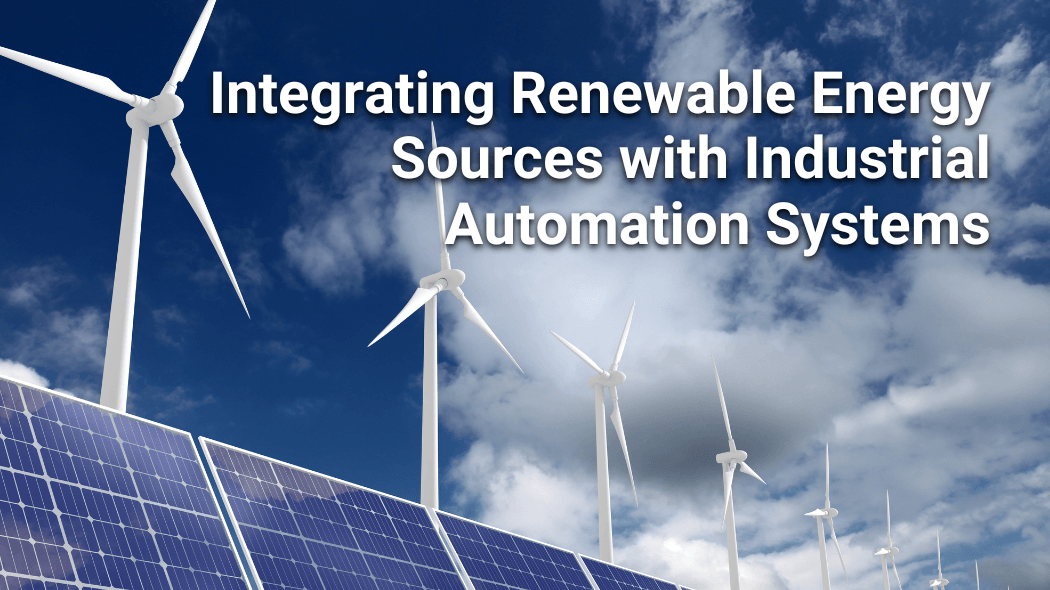
One way businesses can use renewable energy is by installing solar panels on a rooftop. A factory rooftop is the perfect setting for solar panels that power your industrial robots. You could put wind turbines on the hill behind your plant.
IoT-enabled robots use AI to analyze and optimize energy use by equipment and energy generated from a renewable energy source, helping ensure that every kWh is used wisely.
Energy monitoring is a small part of the picture. They also use predictive maintenance to continuously monitor your automated industrial equipment and make adjustments, ensuring power consumption remains low and matches solar or wind power generation from day to day.
It's Time to Talk to Mitsubishi Electric
According to the Federal Reserve Bank of St. Louis, the average U.S. electricity rate was $0.106 per kilowatt-hour in 2005 and increased to $0.141 in 2015. By September 2025, it rose to $0.188. The dominance of fossil-fuel-driven power plants underscores the need for cleaner energy sources, and modern automation is increasingly shifting toward solar, wind, and other alternatives.
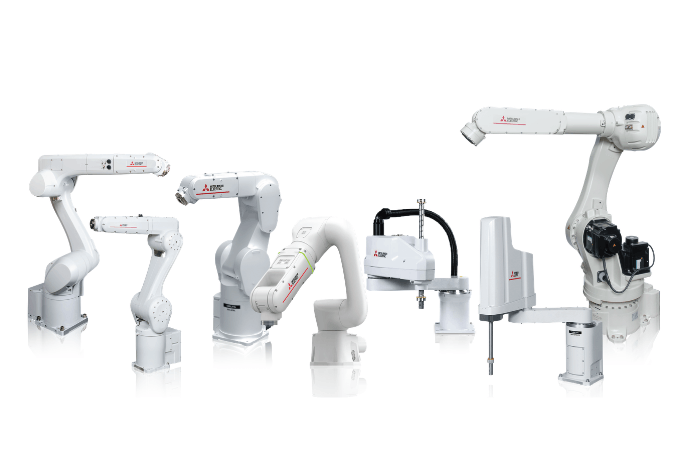
Get ahead of these significant increases by focusing on an energy-efficient future. Mitsubishi Electric's robots enhance efficiency, adapt to alternative energy sources, and operate with greater speed and accuracy than ever before. Ask us about our line of industrial (MELFA) and collaborative (ASSISTA) robot solutions, including:
Industrial
- Vertical articulated: Ideal for high-load configurations and repetitive, labor-intensive tasks.
- Horizontal articulated: Ideal for high-volume precision production needs, such as pharmaceuticals or food and beverage.
- MELFA FR PLUS: Ideal when trajectory accuracy and positioning time are of the essence.
- MELFA Smart Plus: Ideal when real-time adjustments and sanitization are crucial.
Collaborative
- MELFA ASSISTA: Ideal for hands-on guidance from qualified workers.
With savings from less scrap, increased output, and lower utility bills when you integrate renewable energy sources with end-of-line robots, our industrial automation systems provide a competitive advantage that adapts to your factory's evolving needs.
Ready to Connect With Mitsubishi Electric Automation?
Want notifications for new Blogs, White Papers, Case Studies & Webinars?


-
Inquiries
-
Select
& Quote -
Share
-
Partners