


Blogs
Lift Station Modernization: Solving Municipal Wastewater Challenges with Data-Driven Control


Summary: This blog explains how municipalities can modernize aging lift stations using VFDs, intelligent controls, and SCADA integration to reduce pump clogging, lower energy costs, and shift from reactive to data driven maintenance.
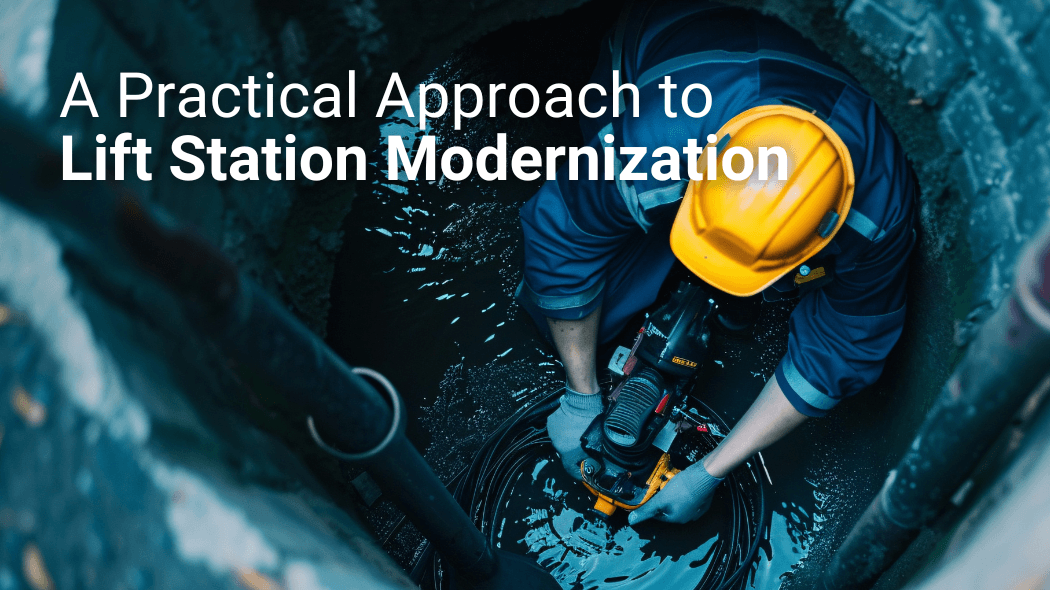
If you manage municipal wastewater collection, you know how essential lift stations are for moving substances to higher elevations when gravity alone won't do the job. Many of these stations in your system were installed years ago.
Outdated lift stations pose threats such as:
- Failing equipment
- Rising energy costs
- Frequent pump clogging
- Limited visibility in daily operations
By modernizing your lift stations, you reduce or eliminate these challenges. Modern lift station control systems are more reliable, reduce maintenance visits/expenses, and save on energy costs, all without a complete system overhaul.
Common Lift Station Challenges Faced by Municipalities
While energy costs, frequent pump clogging, and limited visibility seem to be the most common problems we hear about today, it doesn’t just end there. Our customers are also reporting frequent alarms and increasing stress on their pumping equipment.
In a typical wet well lift station, submersible pumps are activated by level detection. Lead and lag pumps alternate to manage flow, but without advanced controls, operators have little insight into how hard pumps are working or whether they are operating efficiently. As a result, problems such as excessive starts, high-torque conditions, seal failures, or dry-run events often go unnoticed until a failure occurs.
Why Aging Lift Station Control Systems Increase Risk
While mechanical pump components can often last decades, lift station control systems typically have a much shorter lifecycle. Legacy starters, relays, and outdated PLC platforms provide limited diagnostics and no predictive insight. This lack of visibility forces municipalities to rely on reactive maintenance, increasing labor costs and the risk of sanitary sewer overflows (SSOs).
Modern lift station control upgrades focus on improving how the system operates rather than simply replacing failed components. By modernizing controls, utilities gain access to real-time performance data that supports better decision-making and long-term asset management.
How Variable Frequency Drives Improve Lift Station Performance
Variable Frequency Drives (VFDs) are a core technology in modern lift station solutions. Unlike across the line starters, VFDs control motor speed and torque, allowing pumps to ramp smoothly and operate across a wider range of conditions. This reduces mechanical stress, minimizes high inrush current, and improves overall system efficiency.
In wastewater lift stations, VFDs also provide built in pump protection and operational intelligence. Modern VFDs can monitor torque, current temperature, run time, and load conditions, enabling early detection of abnormal behavior. This data can be shared with SCADA systems for real time monitoring and historical trending.
Reducing Pump Clogging and Maintenance with Smart Control Features
Pump clogging remains one of the most common lift station maintenance challenges. Even non clog, vortex, or grinder pumps can struggle with wipes, rags, and stringy materials. Advanced VFDs designed for wastewater applications include anti clog and de rag routines that automatically adjust pump operation to clear debris before it causes a blockage.
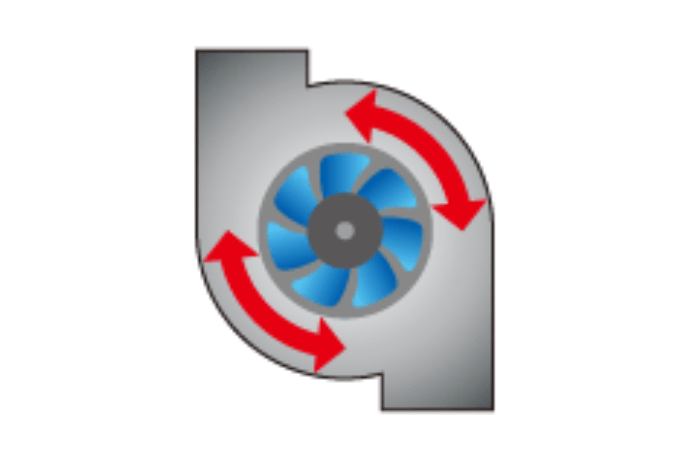
These automated routines reduce the need for manual cleanouts, confined space entries, and emergency callouts. By addressing clogging proactively, municipalities can extend pump life, improve operator safety, and reduce unplanned downtime.
Using SCADA and Data Analytics for Proactive Lift Station Management
Modern lift station modernization strategies rely on data. When VFDs, PLCs, and instrumentation are integrated with SCADA systems, operators gain real time visibility into operations such as:
- Wet-well levels
- Pump status
- Alarms
- Performance trends
Lift station controls, paired with a reliable SCADA system, allow utilities to identify inefficiencies, compare pump behavior, and respond quickly to abnormal conditions.
Remote monitoring also reduces the need for frequent site visits. As municipalities continue to face staffing constraints, this is an undeniably crucial benefit. Automated alerts for conditions such as excessive starts, rising torque, or prolonged run times help operators address issues before they escalate into failures.
Improving Energy Efficiency in Municipal Lift Stations
Energy consumption is a major operating cost for municipal wastewater systems, and lift stations are a significant contributor. Fixed speed pumps often operate inefficiently during low flow conditions, wasting energy and increasing wear. VFD controlled lift stations adjust pump speed to match actual system demand, reducing energy usage while maintaining reliable operation.
In many cases, energy savings alone justify investments in lift station modernization. Reduced electrical demand, fewer mechanical failures, and lower maintenance costs combine to deliver measurable lifecycle value.
Planning a Long Term Lift Station Modernization Strategy
Effective lift station modernization requires a long term view. Here are 3 things to consider when planning your lift station modernization:
- 1.Upgrade or replace old control platforms with modern technologies that support open communication protocols, integrate with existing SCADA systems, and allow for future expansion.
- 2.Protect your lift stations from cyberattacks through comprehensive cybersecurity solutions.
- 3.Upgrade controls, add intelligence, and improve visibility over time or in phases. Not everything has to be updated all at once.
This approach minimizes disruption while building a more resilient wastewater infrastructure.
Modern Lift Stations Support Reliable Municipal Wastewater Systems
Lift station modernization helps municipalities address the most common wastewater challenges: aging infrastructure, pump clogging, high energy costs, and limited operational insight. By combining advanced VFDs, intelligent controls, and SCADA integration, utilities can move from reactive maintenance to proactive, data driven operations.
Modern lift stations are more efficient, more reliable, and easier to manage. With the right strategy and technology in place, municipalities can protect critical infrastructure while delivering dependable wastewater service to their communities.
Our water experts hosted a webinar through Pump & Systems, discussing this topic in detail:
Ready to Connect With Mitsubishi Electric Automation?
Want notifications for new Blogs, White Papers, Case Studies & Webinars?
Contributors

Wesley Gulik
Industry Marketing Manager (Water-Wastewater)
Mitsubishi Electric Automation, Inc.


-
Inquiries
-
Select
& Quote -
Share
-
Partners