


Blogs
3 Ways Facilities Are Solving Wastewater Lift Station Clog Problems


Summary: This blog explains three wastewater lift station clog solutions: automated de-ragging, pump performance monitoring, and SCADA monitoring and analytics. It describes how VFDs, PLCs, HMIs, industrial drives, and SCADA systems can help operators clear obstructions, identify changing pump conditions, monitor remote lift stations, and analyze recurring performance trends.
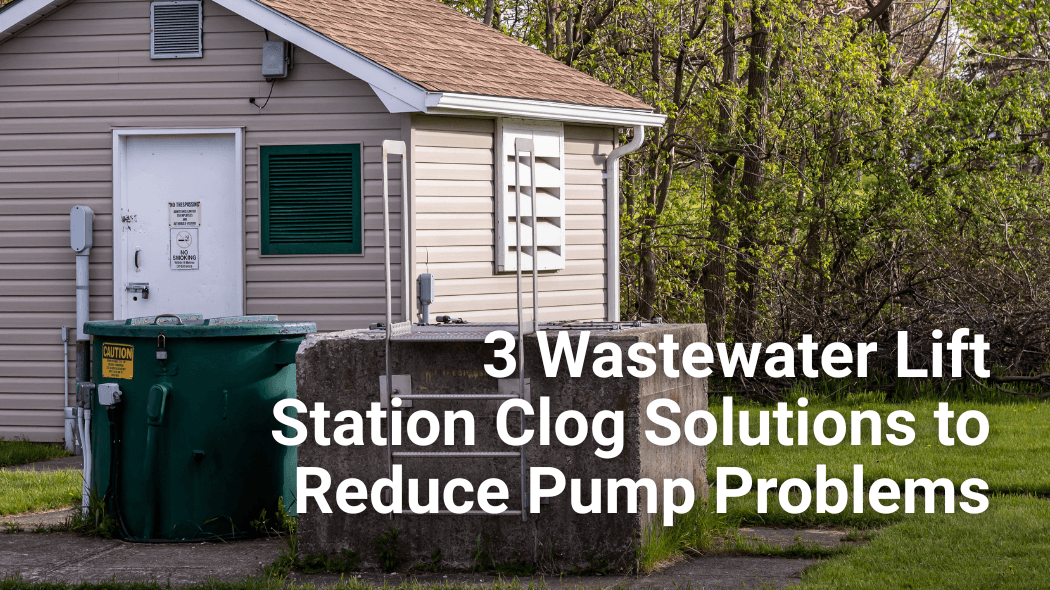
Wastewater lift station clogs are a persistent maintenance problem. Wipes, fats, oils, and grease (FOG), fibrous materials, and other debris can interfere with pump operation, leading to reduced output, longer runtimes, emergency maintenance, and sanitary sewer overflows.
Traditionally, operators have had to react to these problems after a high-level alarm, pulling the pump and manually clearing the obstruction. Today's wastewater lift station clog solutions offer more options to address these problems before they require operator intervention.
From automated de-ragging to pump monitoring and SCADA, here are three ways facilities are taking a more proactive approach to lift station clogging.
Wastewater Lift Station Clog Solution #1: Automated De-Ragging
Variable frequency drives (VFDs) provide more control over wastewater pump operation than fixed-speed starters. Variable-speed pumping can reduce mechanical wear, save energy, and help facilities better manage flows into treatment plants.
Certain VFD functions can also help address ragging. Fibrous materials and other debris can become wrapped around pump components and interfere with normal operation. Rather than waiting for a clog to require manual intervention, a VFD can run a de-ragging sequence to help clear the obstruction.
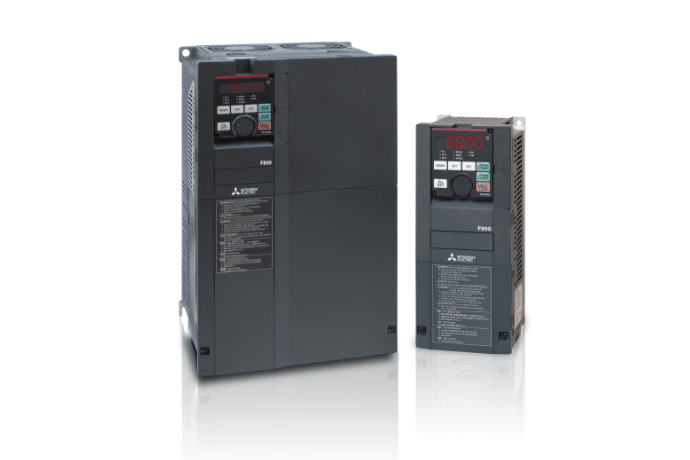
Automated De-Ragging
A de-ragging cycle can be triggered in several ways, depending on the application. The cycle may start at startup, at scheduled intervals, through manual input, or when PID process variables or torque move outside defined limits.
Once triggered, the VFD runs the programmed de-ragging sequence to help clear material from the pump. In some cases, the sequence can clear material without requiring an operator to travel to the lift station and manually clear the pump.
Energy and Equipment Benefits
VFDs also provide the energy and equipment benefits of variable-speed pumping. Instead of continuously operating a pump at full speed, the VFD can control pump speed based on the needs of the system. This reduces unnecessary mechanical wear and energy use while providing better control over pump operation.
Wastewater Lift Station Clog Solution #2: Pump Performance Monitoring
Complete pump blockages can trip alarms and interrupt operation, but developing clogs may be harder to recognize. A partial obstruction can reduce output, requiring the pump to run longer to move the same volume of wastewater. Monitoring pump performance gives operators more information to recognize these changes before the problem becomes more serious.
PLCs, HMIs, drives, and SCADA systems can give operators a clearer view of lift station conditions. Instead of relying solely on an alarm after a problem develops, operators can monitor performance changes and investigate abnormal conditions earlier.
Specialized industrial drives can also provide operating data that gives facilities greater visibility into pump conditions. Monitoring this information can help operators identify performance changes and investigate problems before they lead to an unplanned interruption.
Wastewater Lift Station Clog Solution #3: SCADA Monitoring and Analytics
Local pump control and diagnostics are important, but many wastewater collection systems include lift stations spread across a large service area. Monitoring each location individually can make it difficult to see what is happening across the entire system.
SCADA brings lift station information into a centralized system, giving operators a broader view of current conditions, alarms, and historical performance.
Actionable Intelligence
Centralized alarm information gives operators more context when conditions change. Rather than viewing an alarm in isolation, they can review related operating information and determine what requires attention.
Improved Field Operations
Remote monitoring can give operators more information before they travel to a lift station. Depending on the condition, they may determine whether the site requires immediate attention or should be monitored further.
Overcome Labor Shortages
The U.S. Bureau of Labor Statistics reports that approximately 10,700 wastewater and water treatment operators are needed nationwide. SCADA systems keep your plants running well despite these worker shortages.
Real-Time Performance Reports
Enterprise control platforms like the Mitsubishi Electric GENESIS SCADA solution provide views into both past and current performance. Historical trends offer insights into recurring issues, so you can address them before they spiral out of control. You’re also able to reduce maintenance costs, ensure even network loads, and optimize your pump’s runtime.
Trend Analysis
Data can reveal trends that make it easier to predict and prevent catastrophic system failures. If SCADA systems show that there are clogs every Friday as local industrial plants discharge their weekly industrial wastewater, you have the information needed to know when to adjust pump settings or work with the local industries to adjust their discharge times.
The Shift Towards Intelligent Wastewater Management
Clogs in your wastewater lift station are unnecessary with today’s technology. By combining real-time SCADA monitoring with VFD torque and precision velocity control, you create a closed-loop system in real time for high accuracy, efficiency, and reliability.
Mitsubishi Electric’s expert team helps you move from reactive maintenance to integrated, predictive operations. You protect your wastewater treatment plant’s critical infrastructure and lower your operating costs, too. Contact us to learn more.
Ready to Connect?
Want notifications for new Blogs, White Papers, Case Studies & Webinars?


-
Inquiries
-
Build YourQuote
-
Share
-
Partners